Members Login
Username 
 
Password 
    Remember Me  
Post Info TOPIC: Standing Desk for Students: 7 Methods to Improve Study Focus


Status: Offline
Posts: 2
Date:
Standing Desk for Students: 7 Methods to Improve Study Focus


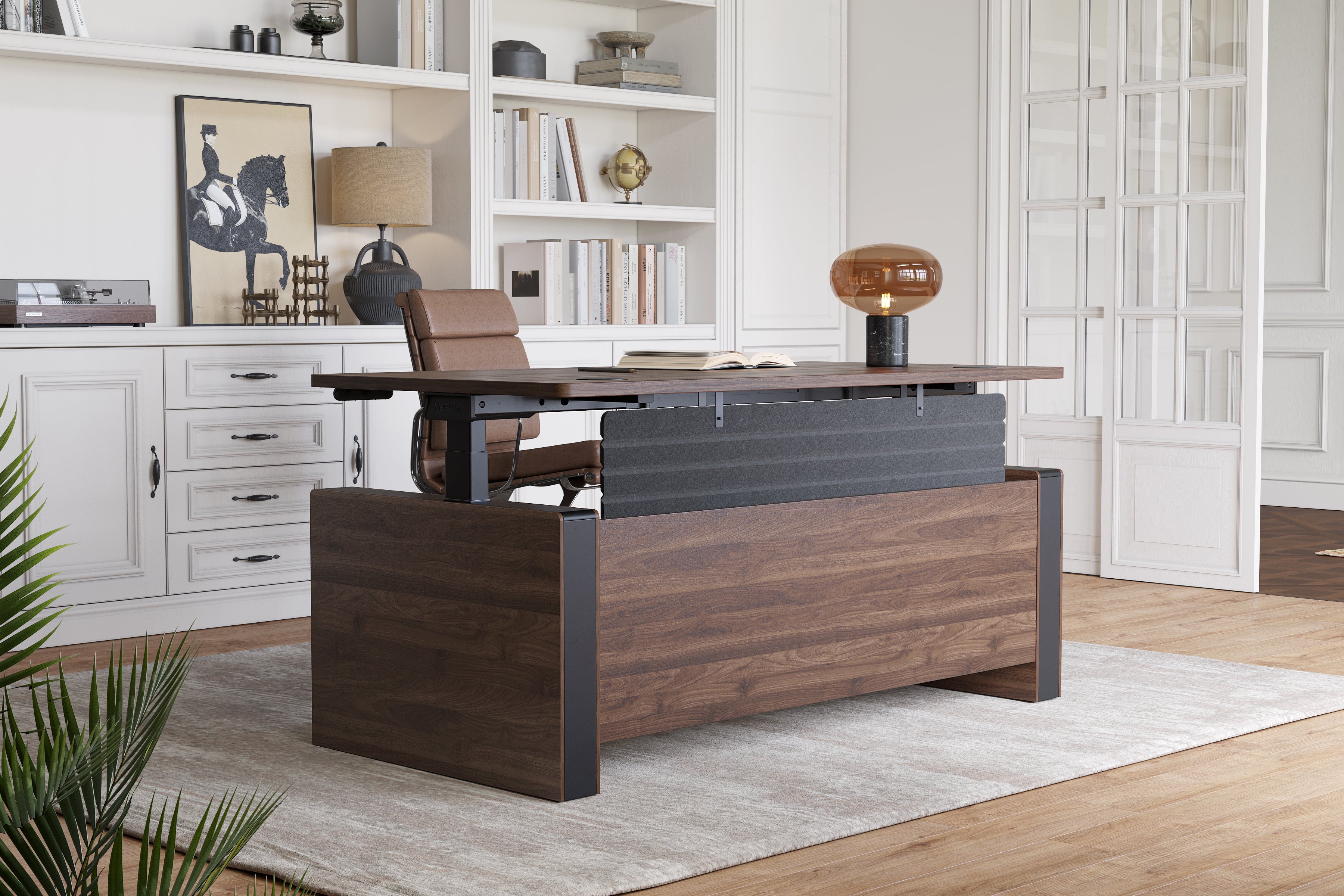
stand up executive desk

Students need more than a quiet room to study well. They need a setup that keeps the body comfortable, the mind alert, and the workflow simple enough to repeat every day. Long hours of sitting can make reading feel dull, writing feel heavier, and revision feel like a chore. A better workstation changes that rhythm. It encourages movement, reduces restlessness, and helps the brain stay switched on for longer stretches of learning.

This guide is built for students who want stronger study focus without a complete room makeover. The seven methods below show how a standing-friendly setup can support better concentration, fewer energy dips, and a healthier way to get through homework, test prep, and research sessions.

The Standing Desks advantage for students

Standing-friendly furniture works because it changes the way a study session feels. Instead of staying locked in one position until your back stiffens or your attention drifts, you gain the option to move before discomfort sets in. That movement matters. It keeps circulation active, makes your shoulders less tense, and gives your brain a subtle reset between tasks.

For students, that means a more responsive study environment. You can stand while scanning notes, sit while solving detailed problems, and shift again when your focus starts to fade. The goal is not to stand constantly. The goal is to make movement part of the study rhythm so energy stays steadier and concentration feels easier to maintain.

The Sit Stand Desk study cycle

A sit-stand routine is one of the simplest ways to avoid study fatigue. Many students work better when they split their session into smaller blocks. For example, you might stand while reviewing flashcards, then sit for note taking, then stand again for a quick brainstorming pass. These shifts help prevent the mental drag that often builds during long sedentary stretches.

The beauty of this approach is that it is easy to repeat. Once you find a cycle that works, it becomes a quiet habit that supports you every day. That consistency matters more than any single perfect posture. The routine should feel natural enough that you do not have to think about it too hard while studying.

The Adjustable Height Desk and posture fit

Study focus is closely tied to comfort. If your desk is too high, your shoulders rise and your neck tightens. If it is too low, your back rounds and your wrists suffer. An adjustable desk gives you the ability to match the height to your body instead of forcing your body to adapt to the furniture. That small change can make a major difference in how long you can work without distraction.

When setting your study height, aim for relaxed shoulders, straight wrists, and a screen position that does not make you tilt your head forward. The more neutral the posture, the less energy your body spends correcting itself. That leaves more attention for reading, writing, and remembering what you studied.

The Electric Height Adjustable Desk for quick transitions

Students often avoid changing positions because it feels like an interruption. That is where smooth adjustment becomes important. If switching from sitting to standing takes only a few seconds, the transition does not break your concentration. It becomes part of the routine, not a reason to stay stuck in one posture for too long.

Fast adjustments are especially helpful during packed study sessions. You can change posture when you move from reading to typing, from reviewing to summarizing, or from solo work to a group call. That flexibility gives you control over your energy and makes it easier to keep your study flow alive longer.

The Adjustable L Shaped Desk for subject zoning

Students who handle several subjects at once often benefit from a workspace with zones. One area can hold your laptop or monitor, while another can hold notebooks, textbooks, or a calculator. That structure reduces clutter and makes it easier to switch between tasks without constantly rearranging the surface. It can also help you mentally separate different kinds of study work.

An L-shaped layout can be especially useful in smaller study rooms because it gives you more usable surface without making everything feel crowded. It creates a sense of order, and order tends to support focus. When materials are where they should be, your attention is less likely to wander.

The Stand Up Executive Desk for serious study sessions

Some students want their study area to feel more like a command center than a casual corner. A larger, more structured desk can help create that mindset. When the workspace feels intentional, it signals that the session matters. That sense of purpose can improve discipline, especially during exam season or when you need to tackle difficult assignments.

A more spacious setup can also help you spread out books, keep a planner visible, and reduce the feeling of being boxed in. The result is a cleaner mental environment, which makes it easier to settle in and stay on task. If you tend to study in long blocks, this kind of setup can make those sessions feel more manageable.

The Wood Standing Desk for a calmer study mood

Material matters more than many people realize. A wood surface can make a study area feel warmer, more natural, and less mechanical. That atmosphere can support a calmer mindset, which is useful when you are trying to read deeply or absorb difficult information. A pleasant surface can also make the desk feel more inviting, and that can encourage you to spend time there instead of avoiding it.

Students often study better in places that feel comfortable and grounded. A sturdy, visually calm surface can help create that feeling. It can also make the room feel a little more organized, which supports focus in subtle ways that add up over time.

The Vernal Standing Desk and habit-friendly features

Students do best with setups that are easy to repeat. A stable frame, a simple adjustment process, and enough surface space for books and devices can make a standing routine much easier to maintain. When a desk supports quick changes and a clear layout, it becomes less of an obstacle and more of a tool for getting work done.

Durability matters too. A study desk should handle daily use without wobbling, sticking, or making every transition feel like a project. The more reliable the setup, the easier it is to build a rhythm that keeps your attention from slipping. Consistency is what turns a good idea into a useful habit.

The Vernal Space Reviews lesson: compare before you commit

Before choosing a study desk, it helps to read what other users actually experienced. Reviews often reveal whether a desk feels stable, whether it is easy to assemble, and whether the adjustments hold up over time. That kind of feedback can be especially useful for students, who usually want a solution that is practical, reliable, and not overly complicated.

Look for patterns rather than isolated opinions. If many users mention the same strengths or concerns, that can help you make a more informed choice. Real-world feedback often tells you more about day-to-day use than product photos or feature lists ever could.

7 methods to improve study focus

  1. Use short standing study blocks: alternate posture before your attention drops.
  2. Set your screen at eye level: reduce neck strain while reading or typing.
  3. Keep the surface clear: a tidy desk supports a tidy mind.
  4. Match posture to the task: stand for review work, sit for detailed problem-solving.
  5. Use a timer: small reminders keep study sessions on track.
  6. Create subject zones: separate materials by topic or task type.
  7. Choose a setup you enjoy using: comfort and consistency help habits stick.

A standing desk can be a powerful study tool when it is used thoughtfully. The biggest benefits come from comfort, movement, and a setup that makes focus easier to maintain. Students who build a simple routine around posture changes often find that studying feels less draining and more controllable. With a few smart adjustments, the desk becomes part of the learning system itself, helping you stay engaged from the first page to the last.


__________________
Page 1 of 1  sorted by
Quick Reply

Please log in to post quick replies.

Tweet this page Post to Digg Post to Del.icio.us


Create your own FREE Forum
Report Abuse
Powered by ActiveBoard