Living in a small home does not mean sacrificing comfort, style or organisation. Whether you have a compact flat, a terraced house or a limited number of rooms for a growing family, clever furniture choices can help you make better use of every available corner. The key is to match your belongings with practical solutions instead of filling your home with furniture that takes up more space than it saves.
A well-organised home begins with understanding how each room is used. Living rooms need to accommodate entertainment and relaxation, bedrooms require space for clothing and personal belongings, and home offices must keep paperwork and equipment within easy reach. By approaching organisation room by room, you can create a home that feels more spacious, functions efficiently and remains attractive.
The living room often serves several purposes, from relaxing with family to entertaining guests and enjoying hobbies. When books, photographs, games and accessories accumulate on tables and floors, the room can quickly feel overcrowded.
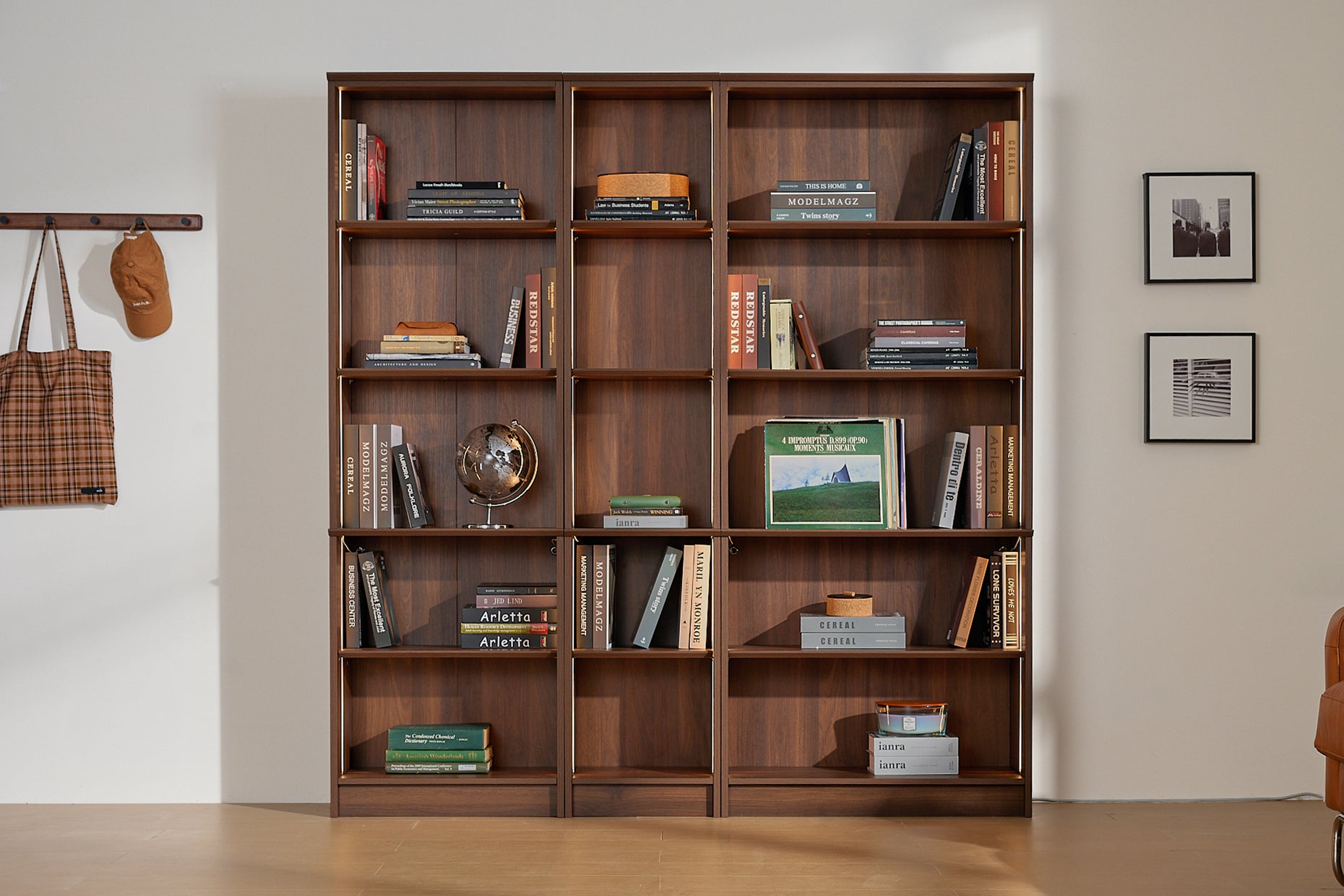
A wooden shelving unit introduces practical organisation while adding warmth to the interior. Use different shelves for books, framed photographs and decorative objects, keeping similar items together. Avoid filling every compartment; leaving some open space creates a lighter appearance and allows favourite possessions to stand out.
Consider the height and depth of the furniture before purchasing. A taller, narrower unit can make use of vertical space, while a low design may fit beneath a window or serve as a display surface. Measure the intended location carefully and keep walkways clear so the room remains comfortable to use.
Not everything in a small home needs to remain on display. Board games, spare cables, remote controls and everyday accessories can create visual clutter when left on open shelves. Furniture that combines visible compartments with enclosed sections helps keep these belongings organised without hiding everything away.
Use open areas for items that contribute to the room's character and reserve enclosed compartments for practical essentials. Baskets and small boxes can further organise loose belongings, making it easier to find what you need without disturbing the entire arrangement.
Before choosing a design, check its internal dimensions, shelf spacing and door clearance. A unit is only useful when it accommodates your actual belongings and allows you to access them comfortably.
Bedrooms can become cluttered when clothing, accessories, books and personal items compete for limited floor space. Instead of adding several bulky pieces of furniture, look for opportunities to organise belongings vertically and use overlooked areas effectively.
Under-bed containers can hold seasonal clothing, spare bedding or occasional-use items. Wall-mounted shelves may provide room for smaller possessions, while bedside organisers can keep frequently used essentials close at hand. Choose solutions that do not interfere with opening doors, accessing windows or moving safely around the bed.
Make a habit of reviewing what you own. Donate or recycle suitable items you no longer need, and keep everyday possessions easy to reach. Reducing unnecessary belongings often creates more usable space than adding another cabinet.
A small home office must accommodate paperwork, books, stationery and electronic equipment without allowing the desk to become overwhelmed. A dedicated filing unit helps separate important documents from everyday work materials and makes the room easier to manage.
Sort papers into clearly defined categories, such as household records, current projects and reference documents. Label folders consistently and place frequently consulted files in accessible drawers. Review older paperwork periodically so the unit does not become a collection of documents that no longer serve a purpose.
Choose a filing cabinet according to the volume of documents you need to keep. Check its dimensions, drawer capacity and load limits, and ensure that the drawers can open fully without blocking a walkway or colliding with the desk.
In a compact study, the space beneath a desk is often overlooked. A suitably sized filing unit can make use of this area while keeping documents close enough to retrieve during the working day. This arrangement may also reduce the need for a separate cabinet elsewhere in the room.
Measure the available height, width and depth carefully, allowing enough clearance for your legs and chair. Check whether the desk supports the arrangement comfortably and whether drawers can open without obstructing movement. A cabinet that fits physically but makes sitting uncomfortable is not an effective space-saving solution.
Keep only the documents and accessories you use regularly within easy reach. Less frequently consulted records can be placed elsewhere, leaving your immediate workspace clear for focused tasks.
Shared workspaces and family study areas often need room for paperwork belonging to different people. A wide filing arrangement can help separate documents into distinct categories without spreading several cabinets across the room.
Assign each drawer a clear purpose and use labels to identify its contents. For example, one section might hold household bills, while another stores school forms or work records. Establishing a consistent system helps everyone return documents to the correct place.
Before buying a wide unit, measure the available wall space and account for the distance required to open drawers. Keep the surrounding area clear and follow the manufacturer's instructions for safe loading and installation.
Some belongings require more than an ordinary shelf or open container. Personal documents, small work supplies and items that should remain away from children or casual visitors may benefit from enclosed furniture with a locking mechanism.
Consider which items actually need restricted access before choosing a lockable design. Organise the interior so frequently used belongings remain convenient to retrieve, and keep keys or access credentials secure. A lock can limit casual access, but it does not automatically provide fireproofing, waterproofing or advanced protection against theft.
In a small home, choose a unit that fits naturally into the existing layout. Check its dimensions, door clearance and installation requirements before deciding where it should stand.
Flexible furniture is particularly useful when a room serves several purposes or household requirements change over time. Modular shelving allows compatible sections to be arranged or expanded according to the available space and the belongings you need to organise.
A compact configuration might work beside a desk, while a wider arrangement could later accommodate an expanding book collection or additional family belongings. This adaptability can be valuable for renters and growing households that do not want to replace all their furniture whenever circumstances change.
Check the compatibility of individual components, their load limits and the manufacturer's approved configurations. Not every module can be stacked or connected in every arrangement, so follow the assembly and wall-anchoring instructions carefully.
Make Hallways and Kitchens More Efficient
Hallways often become drop zones for shoes, bags, umbrellas and mail. A shallow console, wall hooks and a compact shoe organiser can keep these items together without narrowing the route through the home. Use a small tray for keys and other everyday essentials, and avoid blocking entrances or escape routes.
In the kitchen, group frequently used utensils, dry goods and cooking accessories by task. Drawer dividers, shelf organisers and stackable containers can help make cupboards more effective. Store heavier items on lower shelves and keep regularly used equipment easy to reach, reducing the need to move several objects whenever you prepare a meal.
Keep Small Spaces Organised for the Long Term
The most effective organisation systems are easy to maintain. Assign belongings a specific place, return items after use and review crowded areas before purchasing additional furniture. Multi-purpose pieces can also help, provided they remain practical for their intended use.
Measure carefully before buying, consider how furniture doors and drawers operate, and prioritise clear walkways. Choose finishes that complement your interior and avoid filling every available surface simply because space remains.
Conclusion: Make Every Room Work Harder
Small homes can feel spacious and comfortable when organisation is planned around real everyday needs. Shelving, filing units, enclosed cabinets and simple room-specific accessories can help reduce clutter while keeping essential belongings accessible.
Start with one room, identify the items causing the most difficulty and introduce solutions that suit the available dimensions. With regular decluttering and thoughtful furniture choices, you can create a home that feels more organised, welcoming and adaptable without sacrificing valuable floor space.